
Kenya · KE
Taxi & limo dispatch software for Kenya
Ride-hailing dispatch for Kenyan fleets and startups: native M-Pesa, Swahili localisation, NTSA-aligned driver onboarding.
Local capabilities
Kenya-specific features
The dispatch platform localised for how Kenyan fleets actually take payments, talk to drivers, and win them from the commission apps.
Native M-Pesa
Direct Safaricom Daraja API integration, not a third-party bridge. Passengers pay in-app with an STK push to their phone, and drivers are settled straight to their M-Pesa wallets — the way money actually moves in Kenya.
- STK push checkout — passenger confirms on the M-Pesa prompt
- Instant driver payouts to M-Pesa wallets
- Reconciled automatically against every booking
Swahili localisation
Full Swahili passenger app plus the TaxiDex driver app strings, with an English mode selectable per user. Your riders and drivers each work in the language they are comfortable in, on the same white-label passenger app that carry your brand.
- Swahili-first driver UI for on-the-ground crews
- English mode per user, switchable in settings
- White-label branding, your logo and colours throughout
Driver-fair pricing
A zero-commission, flat-fee model: drivers keep 100% of every fare. It is a deliberate position against the per-ride commissions charged by Bolt and Uber, and it is the recruiting story your fleet can lead with.
- Drivers keep 100% of fares — no per-ride commission
- Predictable flat platform fee for the operator
- A clear recruiting edge over commission-based apps

Payment gateways
Native local payments
M-Pesa (Safaricom Daraja), Airtel Money, Stripe and cash, plus international Apple Pay, Google Pay and Stripe cards for tourist and business traffic. Riders pay with the method they already use; you get one reconciled ledger.
Every payment is matched to its booking automatically and flows into the finance suite — driver settlements, payouts, AR invoices and corporate billing all run from the same source of truth, with accounting exports when you need them.
Markets we serve in Kenya
TaxiDex is built for fleets in
Nairobi, Mombasa, Kisumu, Nakuru, Eldoret, Thika, Malindi, Diani Beach.
Flagship market
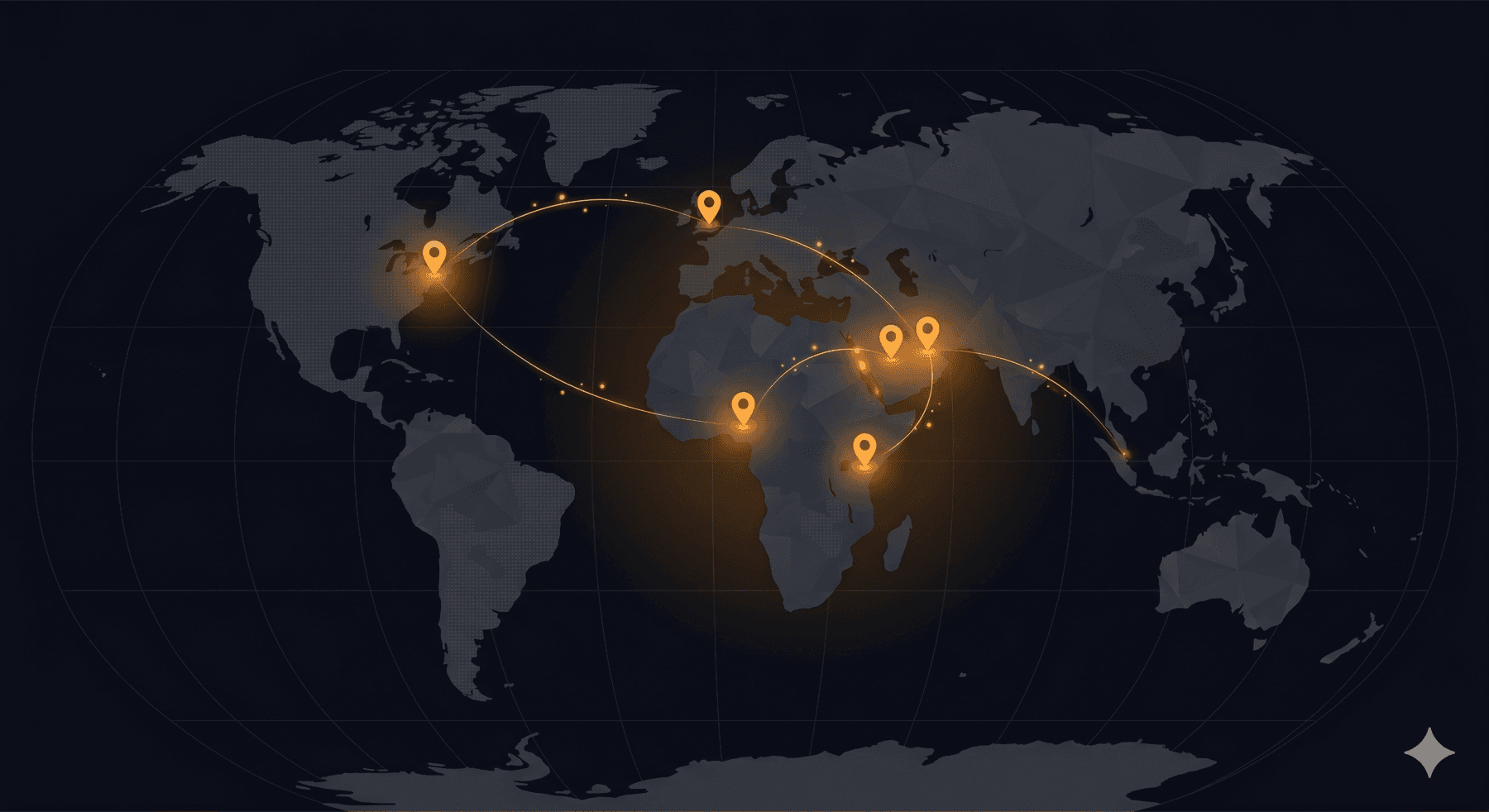
Nairobi — East Africa’s mobility hub
From Westlands corporates to JKIA airport runs, TaxiDex ships M-Pesa-native payments, a Swahili-first driver UI, and NTSA-compliant document tracking — so you can launch a serious operation in Kenya’s busiest market from day one.


Local regulation
Built to comply with Kenya rules
NTSA driver-vetting alignment, the Kenya Data Protection Act 2019, KRA tax PIN registration, and county-level taxi licensing — the compliance surface is built into the platform rather than bolted on.
Each driver profile carries documents, licences and expiry dates, the system keeps a full audit log of who changed what, and a one-click compliance export gives you the paperwork regulators ask for.
By the numbers
A platform Kenyan operators can stand behind
14 days
From signup to go-live
100%
Of fares kept by drivers
Direct
Founder support
8+
Kenyan cities covered
Kenya questions
Frequently asked questions
M-Pesa, Swahili, compliance and go-live — answered for Kenyan fleets.
Is M-Pesa integration native or through a reseller?
Native. TaxiDex connects directly to the Safaricom Daraja API. Passengers pay through an STK push to their handset, and driver payouts are sent straight to their M-Pesa wallets — there is no third-party payments middleman taking a cut or adding latency.
Which other payment methods can Kenyan riders use?
Alongside M-Pesa you can accept Airtel Money, cash (tracked and reconciled per trip), and Stripe card payments including Apple Pay and Google Pay for tourist and corporate traffic. Square card terminals are supported for in-vehicle taps, and the platform handles multi-currency billing.
Do the apps support Swahili?
Yes. Both the passenger app plus the TaxiDex driver app ship with full Swahili strings, and each user can switch to English from their settings. The apps are white-labelled with your fleet's name, logo and colours, so localisation never compromises your brand.
How does TaxiDex help with NTSA and local compliance?
Driver onboarding is aligned to NTSA vetting, with document and licence-expiry tracking built into each driver profile. The platform captures KRA tax PIN registration and county-level licensing details, maintains a posture consistent with the Kenya Data Protection Act 2019, and keeps a full audit log with a compliance export.
How long does it take to launch in Kenya?
Most fleets are live within 14 days. We configure your zones, fares and M-Pesa payouts, brand the your own branded passenger app plus the TaxiDex driver app, and back the launch with direct founder support. We will quote in KES and propose a city-by-city rollout.
Get a Kenya-specific quote
30 minutes. We'll quote in KES, walk through M-Pesa, and propose a launch plan for your city.
Other markets